 |
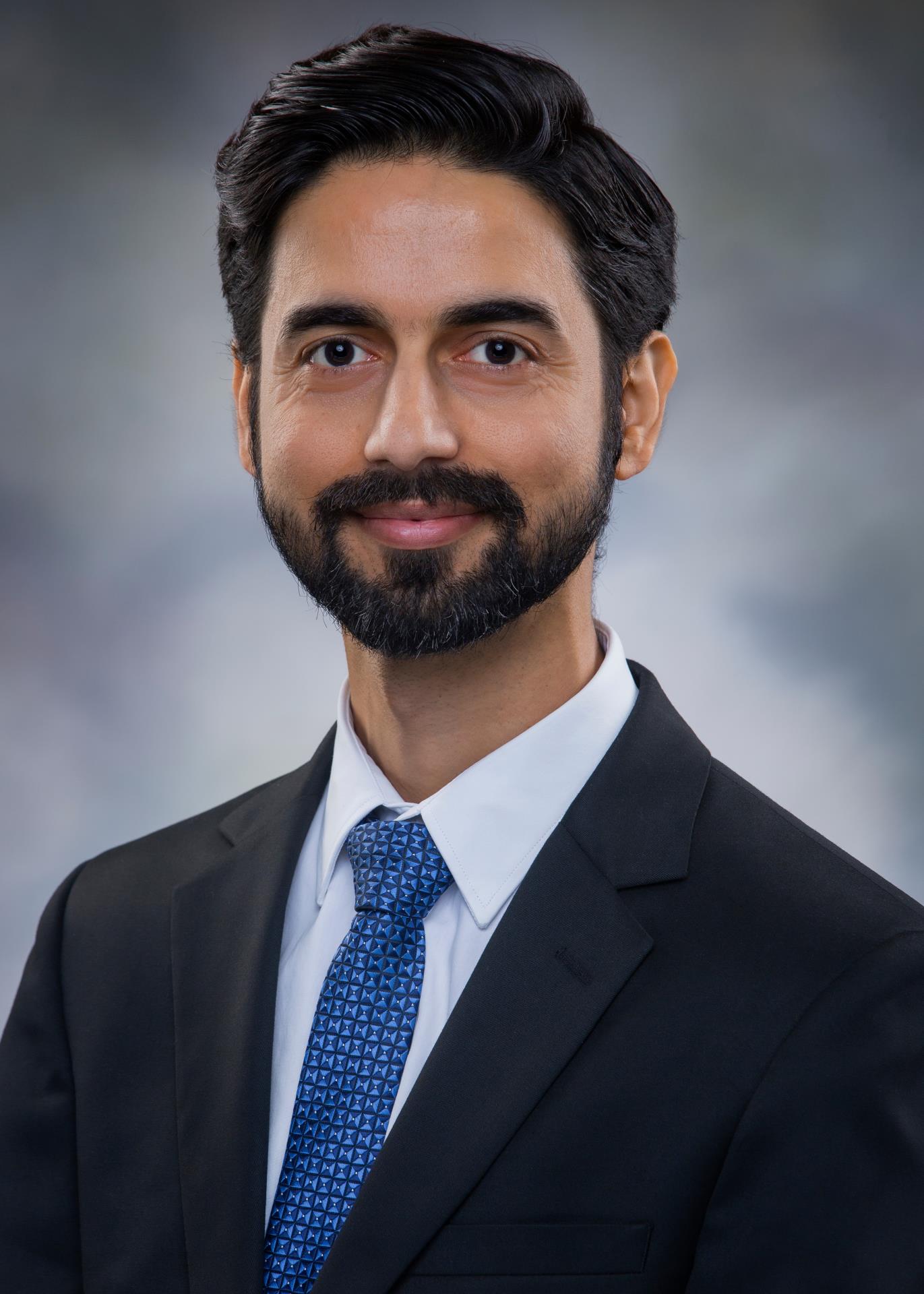
Dr. Yashant Aswani
Clinical Assistant Professor
Program Director of Body Imaging Fellowship
University of Iowa Health Care
Iowa City, IA
Yashant Aswani, MD, DNB is currently the Clinical Assistant Professor and Program Director of Body Imaging Fellowship at the University of Iowa Health Care. He attended medical school at Lokmanya Tilak Municipal Medical College, Mumbai and completed his residency at Seth GSMC & KEM Hospital, Mumbai. Dr. Aswani completed his senior residency at TNMC & BYL Nair Ch Hospital, Mumbai. He completed fellowships in Body Imaging & intervention at UTHSCSA, San Antonio, Texas and Abdominal Imaging at Einstein Health Care, Philadelphia. Dr. Aswani has numerous peer-reviewed articles, 3 book chapters, and numerous abstracts in various scientific meetings. His hobbies include craft work, cooking, and hiking.
|
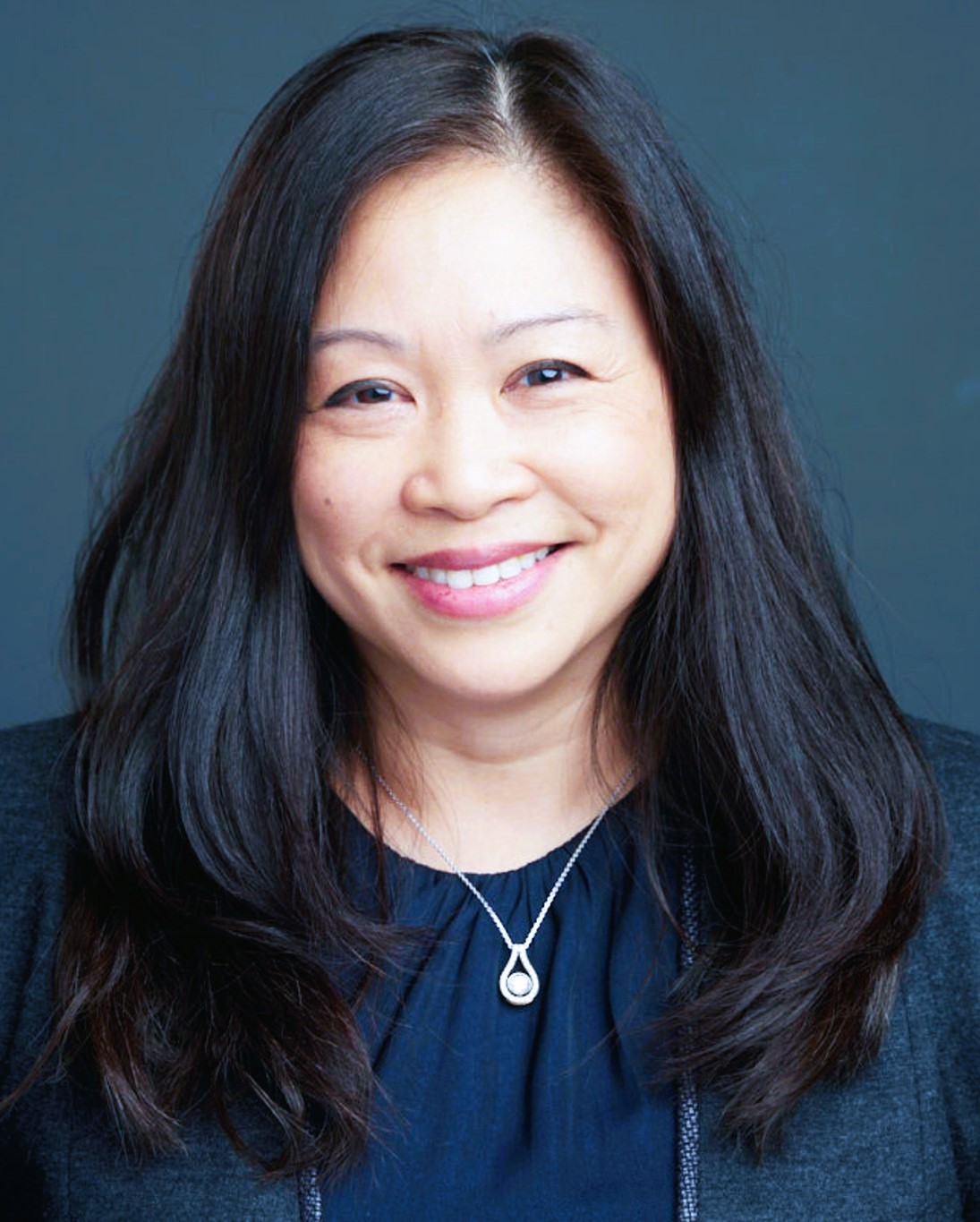 |
Dr. Silvia Chang
Section Head, Abdominal Imaging, Department of Radiology
Vancouver General Hospital & UBC Hospital
Associate Professor & Vice Chair of Professionalism and Wellness, Department of Radiology University of British Columbia
President-Elect, British Columbia Radiological Society
Vancouver, BC
Dr. Silvia Chang is an abdominal radiologist at Vancouver General Hospital where she is the Abdominal Imaging Section Head in the Department of Radiology. She is an Associate Professor and the Vice Chair of Professionalism & Wellness in the Department of Radiology, University of British Columbia (UBC). Dr. Chang completed her medical degree and radiology residency at UBC and her abdominal imaging fellowship at the University of California, San Francisco. Her areas of interest are abdominal MRI, particularly prostate and liver, as well as medical education. She has over 130 peer reviewed publications, and over 165 invited presentations at local, national and international meetings. She served as the UBC Department of Radiology Residency Program Director, Abdominal Imaging Fellowship Director and a Royal College examiner. Dr. Chang serves on multiple committees including societies such as RSNA and Society of Abdominal Radiology and the Canadian Association of Radiologists. Dr. Chang is a Fellow of the Society of Abdominal Radiology, Fellow of the Canadian Association of Radiologists and Founding President and Board member of the Canadian Society of Abdominal Radiology. She also serves on the Board of the British Columbia Radiological Society as President-Elect. In her free time, she enjoys spending time with her family, biking and travelling.
|
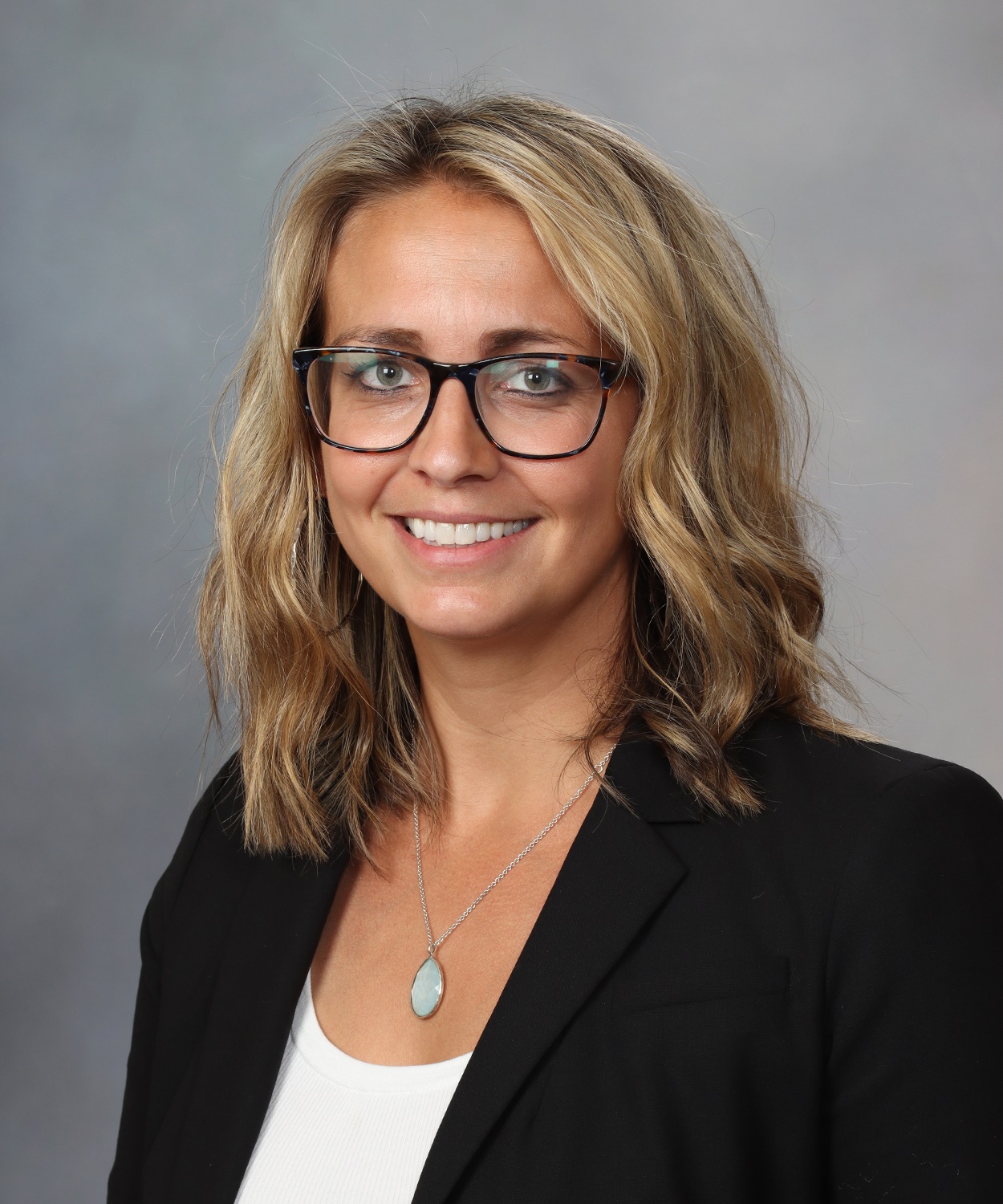 |
Dr. Kristina Flicek
Abdominal Radiologist
Assistant Professor
Mayo Clinic
Rochester, MN
|
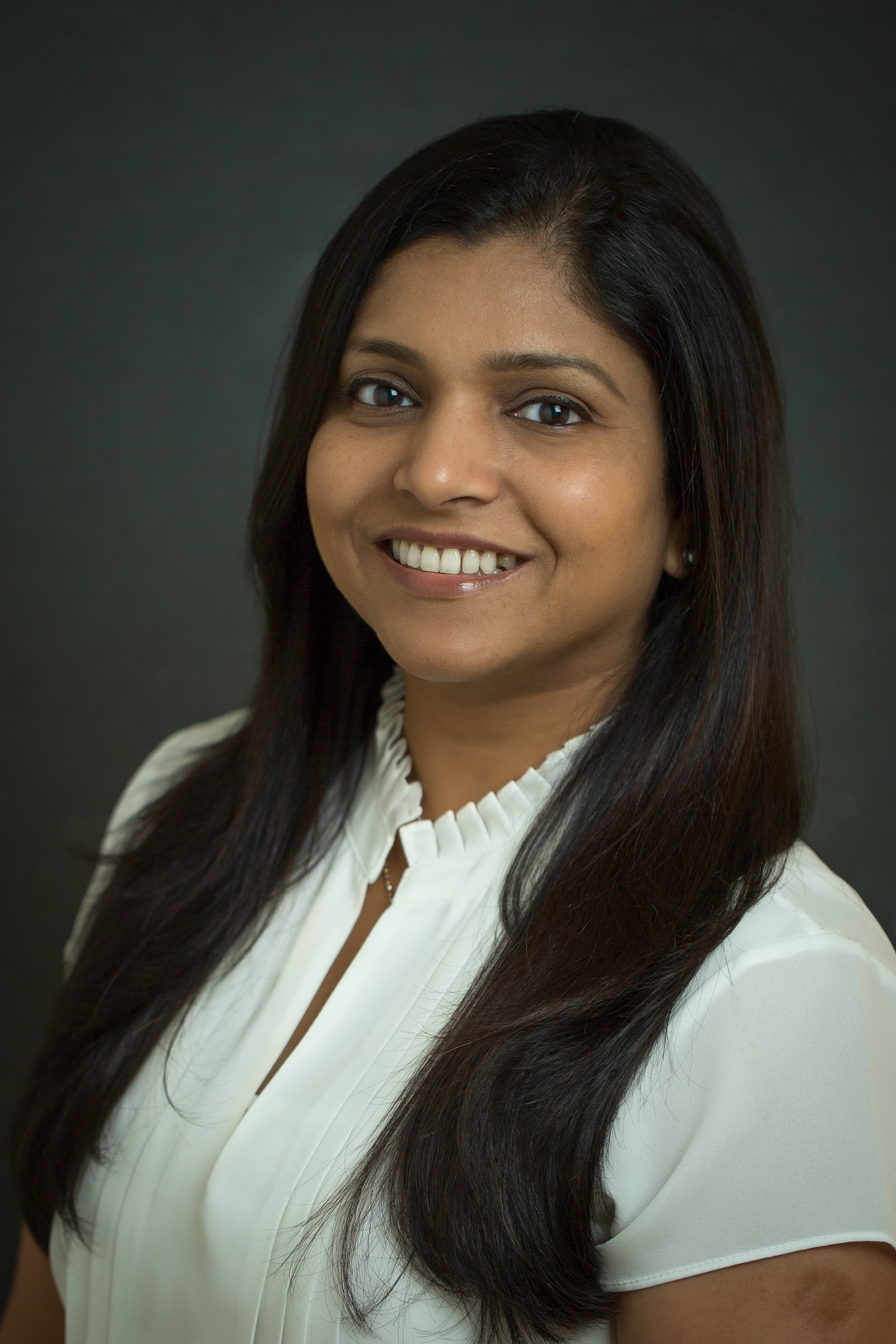 |
Dr. Anugayathri Jawahar
Associate Program Director, Diagnostic Radiology Residency Program
Assistant Professor, Abdominal Imaging Division
Northwestern University- Feinberg School of Medicine
Chicago, IL
Dr.Anugayathri Jawahar did her radiology residency training in India, and at Loyola University, Chicago. She did her body MRI fellowship training at Stanford University, California. She is currently an Assistant Professor, and Associate Program Director of Diagnostic Radiology Residency program at Northwestern University, Chicago. She has won the Outstanding Educator award and Excellence in Mentorship awards during her tenure as faculty. She is passionate about teaching and clinical research. She has authored 50 peer-reviewed publications, 2 book chapters, more than 100 abstract presentations, and more than 50 invited lectures to credit.
|
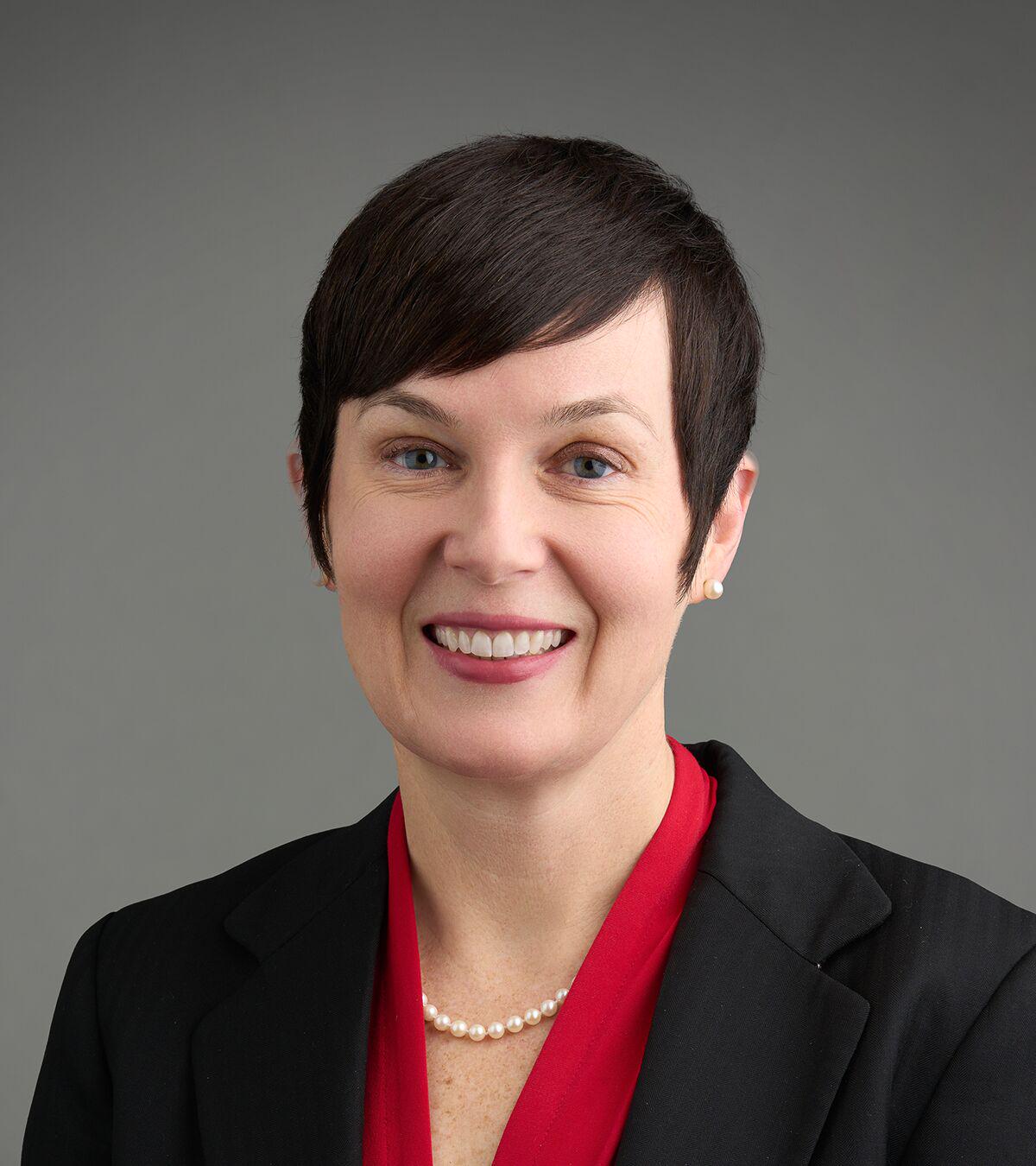 |
Dr. Meghan Lubner
Professor of Radiology
Modality Director of Clinical Tomography
Co-Director, CT Research Program
Associate Section Chief, Abdominal Imaging and Intervention
University of Wisconsin
Madison, WI
Meghan Lubner is a professor of radiology in the Abdominal Imaging and Intervention section at the University of Wisconsin. She is currently serving as the Modality Director of Clinical Computed Tomography, co-director of the CT research program and associate section chief of abdominal imaging and intervention. She has an active diagnostic and interventional abdominal radiology clinical practice. Her clinical and research interests include oncologic imaging, advanced CT applications, quantitative CT imaging biomarkers, radiologic pathologic correlation and image guided interventions.
|
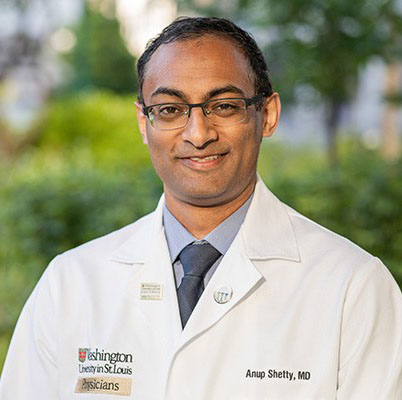 |
Dr. Anup Shetty
Professor of Radiology
Fellowship Director, Advanced Abdominal Imaging
Service Director, Body MRI
Mallinckrodt Institute of Radiology (MIR) at Washington University School of Medicine
St. Louis, MO
Anup S. Shetty, MD, is a professor of radiology at the Mallinckrodt Institute of Radiology (MIR) at Washington University School of Medicine. He serves as fellowship director for advanced abdominal imaging and service director for body MRI. His clinical and research interests include all things body MRI, hepatopancreaticobiliary imaging, genitourinary imaging, MR and CT physics, prostate MRI, and vascular imaging.
|